9 O% }' O0 S" e2 L0 ?+ Y+ f故宫管理局:最迟今年上半年有结果( E+ `. S; O2 L* Y! y, q4 i
$ D; \+ E( \2 {现在,中国的文物管理部门正考虑关闭该咖啡店。2 D& h/ _3 z, S" k
- D+ f7 I$ C9 m0 k# e) s/ ~
故宫在1911年帝制被推翻前曾是24位皇帝的住所,有的网民上贴说,北京故宫,明清两代24位皇帝居住办公所用的皇宫,除眷属、太监、宫女、侍卫和被特招觐见的相关人员外,任何人不得擅自入内。所以,故宫既喻为紫宫(中国古代天文学说,根据对太空天体的长期观察,认为紫微星垣居于中天,位置永恒不变,是天帝所居。因而,把天帝所居的天宫谓之紫宫,有“紫微正中”之说。),又是禁地,故旧称紫禁城。天安门是紫禁城的正门,也是中华人民共和国举行开国大典的主会场,是国徽图案的重要组成部分,它与紫禁城一起成为中华文化的珍品。9 p; W0 z- n& s0 r1 n
( N ?6 J4 z$ ?
在互联网上,大部分的帖子是赞成芮成钢的观点,认为让星巴克在这个15世纪的建筑群中是不妥当的,因为故宫是中国文明的象征,有人说这是中国人的“耻辱”,还有人抨击故宫管理局是“金钱的奴隶”。 / i8 b; ?3 r7 Z7 X' U / g _ a$ |' [0 ~& T/ F. S! m: A1 d; Q最初,故宫管理局辩称,星巴克没有对故宫造成什么破坏,也与它的周围环境很协调,并说“我们允许它进来是因为我们可以提供更多的国际性的服务”。(2 O8 I" ~) K0 R( R" R, q
; j% ]6 O# c" Q2 i
故宫去年接待了900万游客,其中包括了160万外国游客。不过,到了17日,故宫管理局的调子显然变了,准备对民众的反应作出让步。故宫博物馆的发言人冯乃恩首次就“星巴克”问题发表看法。他表示:“目前,故宫正在与星巴克进行交涉,商讨如何更为恰当地解决问题,力争尽快研究出处置方法。预计最迟在今年上半年就有结果。”还说,星巴克是不是保留,取决于未来整个规划,这个规划将在今年上半年内公布。 ; e! G3 j0 h$ m$ h5 C% H8 O: J5 z2 P# N- ]! L. v
“星巴克的租金和其他经营网点一样,都被列入故宫的经营性收入。”冯乃恩说:“当经营工作与保护工作产生冲突时,故宫肯定会毫不迟疑地舍弃经济利益,不会违背保护的原则。”(- s6 }# |' M% E
7 M2 [" l" k. G
星巴克:没有打算搬走/ p$ ]+ C' I& M3 x
- {: R- w- Z; N) \
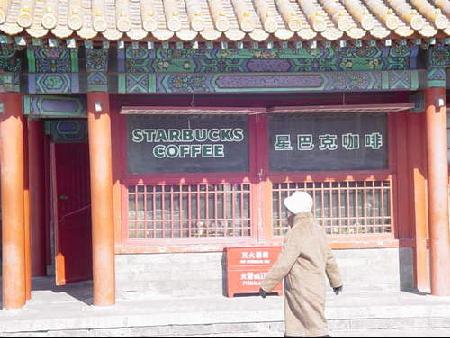
星巴克在故宫里的这家分店是在2000年开张的,一向极为低调,占地才20平方英尺,处在一家礼品店的一角,很不起眼,处在故宫游程的一半。实际上,在故宫里面还散布有许多中国的咖啡店和小吃店,目前大约有三分之一已经被命令从一个重新整顿的地段搬出。9 o5 K" Q- ]0 `+ R
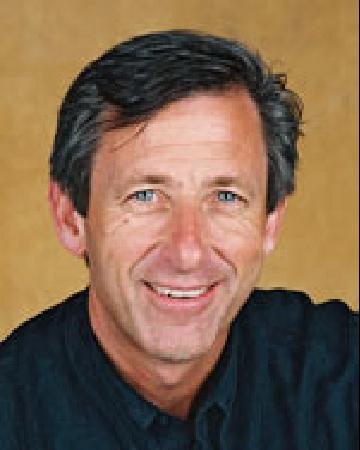
) N; H1 z. w2 N: Y芮先生告诉《时代周刊》记者说,他对自己的博客文章引起如此之大的反响感到吃惊,也对互联网网民的力量感到惊讶。他说:“我不是在攻击星巴克,没有这回事。从个人的角度来说,我欢迎星巴克到中国来,并且希望它们取得成功。我只是认为星巴克开在故宫里不合适。”他还援引星巴克当初进入英国和法国时,遭遇敌意的例子说,在中国,如果消费者喜欢,所有的外国品牌都应该受到受到欢迎。“但为了保护我们的文化传统,是应该有一些限制的。"” + q6 A l- F: @4 v) A, N. }; ^ ! _2 v a# g& A `% @4 N- a$ p
故宫的星巴克咖啡店事件已经成为媒体关注的一个焦点,反应如此强烈,已经使得博物馆管理局考虑在两三个月以后取消与星巴克的租约。不过星巴克目前并没有搬走的打算,星巴克主管大中国区的副总裁伊顿·沃恩(Eden Woon)说:“星巴克赞赏故宫的深远历史和文化,我们一直以恭敬的态度,在与周边环境协调下,进行经营。6年多来,我们为成千上万的中国和外国的游人提供了一个受欢迎的休息去处。”
同时,芮先生公布说,几天后接到了星巴克总裁兼CEO吉姆·当诺的回信,回信的主要内容是:1,6年前,星巴克是被中方邀请进故宫开设分店的;2,星巴克是抱着尊重中国文化传统的心态开设这一家分店的;3,星巴克已经尽了努力让这家店和周边人文环境相适应。信中只字未有搬出去的意思。 % o- s" n& C" K4 F: q+ O+ K 2 }1 V/ y* v. r0 Y迄今为止,博客们在网上对芮先生文章的反应也是五花八门的,从完全支持到完全不同意的都有。一位署名“SJ”的网民写道:“文化是能够进行交换的,但不是把什么东西都能混合在一起的,不然就会使味道变得古怪了。”另一位叫“Taoye”的网民写道:“故宫千方百计为外国人服务,但是到什么时候,中国政府才会同样努力地为她自己的人民服务呢?”还有一位“Yaya”写道:“这纯粹是狭隘的爱国主义。你们能不能不再把星巴克与中国文化和外国金钱联系起来?不就是一杯咖啡吗,就那么简单!”7 ^1 ]% |: p. e: x+ Y
4 F$ u$ J8 k! A# _- r
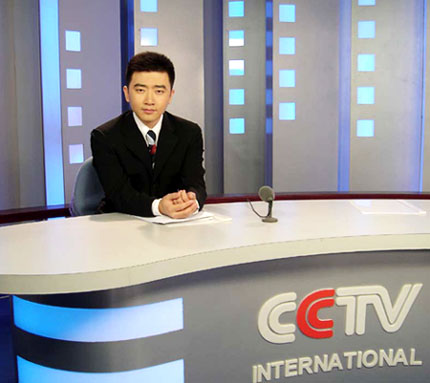
Bloggers threaten to forbid Starbucks a place in ancient cityHalf a million protest at plans Museum agrees to a rethinkA Starbucks that occupies a tiny corner of the Forbidden City faces closure after an online backlash against a foreign franchise in the former home of the emperors of China. Half a million Chinese internet users have rushed to agree with Rui Chenggang, who sparked the controversy with his blog Why Starbucks needs to get out of the Forbidden City, posted on January 12. 7 u$ Q# `) y2 x/ U 7 L6 M8 g7 Y4 Q! }$ VMr Rui wrote that a Starbucks was obscenely out of place amid the 178-acre (71-hectare) complex of throne rooms, pavilions and gardens that was home to 24 emperors before the end of imperial rule in 1911. 5 Y. K. h) B; b7 n! a. O; r“This is not globalisation but an erosion of Chinese culture,” said Mr Rui, who is an anchorman on CCTV9, an Englishlanguage state television channel. Now the cultural mandarins of China are considering closing the coffee shop. Most comments agreed with Mr Rui’s view that a foreign café was inappropriate inside a 15th-century building that is a symbol of Chinese civilisation. Some attacked its presence as a disgrace, while others criticised the Palace Museum, which administers the Forbidden City, as a “slave of money”. At first the museum defended the coffee shop, saying that it had done no damage and blended in well with its surroundings. “We allowed it because we wanted to have a more international service available,” it said. There were nearly nine million visitors to the sprawling palace last year, including 1.6 million foreigners. Yesterday, however, the Palace Museum appeared ready to bow to online opinion. Feng Nai’en, a museum spokesman, said: “The museum is working with Starbucks to find a solution by June in response to the protests. Whether or not Starbucks remains depends on the entire design plan that will be released in the first half of the year.” The Forbidden City branch is low-key, occupying barely 20sq m. It is in a small corner of a giftshop that visitors come upon only if they seek it out, about halfway through their tour of imperial pavilions. Many Chinese coffee shops and snack bars are also scattered around the Forbidden City and about a third have already been ordered to move out in a reorganisation of services. Mr Rui told The Times that he was astonished at the response to his blog and at the power of the internet. “I’m not attacking Starbucks. It’s not that. Personally, I welcome Starbucks to China and hope they will be successful but I just think it’s not proper to open a Starbucks in the Forbidden City. There should be a limit to protect our cultural traditions.” The outlet opened in 2000 amid a media furore so severe that the museum authorities considered revoking its lease after two months. Eden Woon, Starbucks vice-president for Greater China, said that the company has no plan to leave the site. ' o D* ~) H- F! K0 W/ X; r8 W , H* F6 h# ]' B( s1 CThe Times January 19, 2007 8 W. G1 _' U) x! R0 s 0 M2 M, h5 d# H! E: \[ 本帖最后由 日月光 于 2007-1-19 11:29 编辑 ]